


What Nutrition Plan Should You Follow for IBS Symptom Relief?
- Helen from Zing Nutrition

- Apr 30
- 3 min read
Updated: May 2
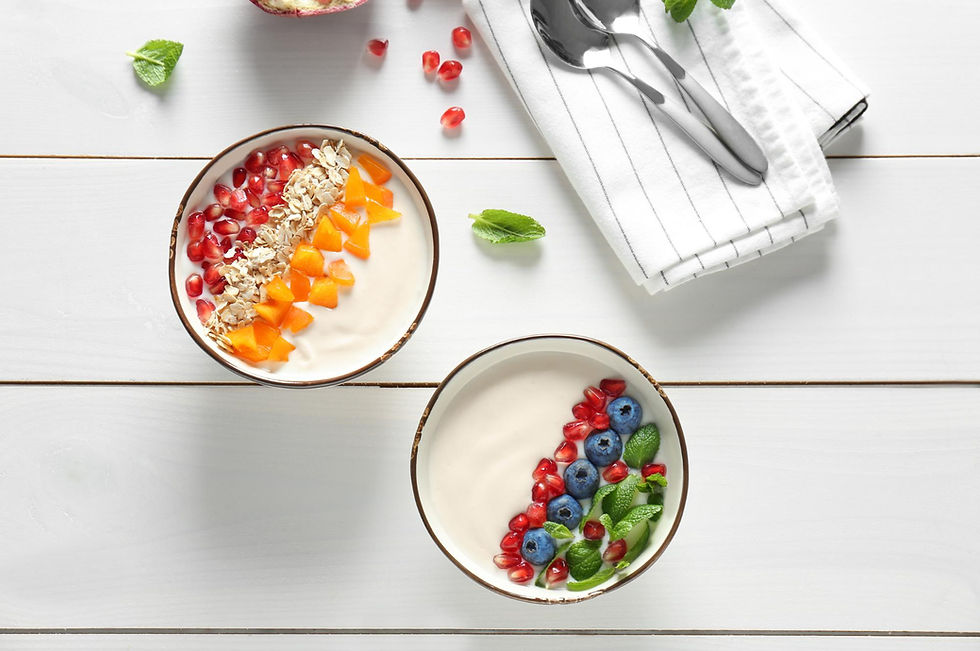
Summary: Choose easily digestible foods to relieve IBS symptoms. Focus on fibres and manage your portion size. Stay hydrated and choose drinks carefully.
Are you dealing with IBS symptoms? Living with Irritable Bowel Syndrome (IBS) can be frustrating, especially when symptoms such as constipation, diarrhoea, abdominal pain, or bloating interfere with your daily life. Do not worry! When you follow the right nutrition plan for IBS symptom relief, you can lead a healthy life. Managing IBS is largely about understanding how your body reacts to certain foods and creating a diet that supports balance, consistency, and comfort. When you find the right approach, you can improve your digestive health and reduce flare-ups.
The Best Nutrition Plan You Can Follow for IBS Symptom Relief
Manage Portion Size and Meal Timing
Eating times are as important as food choices when you deal with IBS. Larger meals can put extra strain on your digestive system. They can also cause cramps and bloating. Opt for smaller and more frequent meals throughout the day. This practice can help you digest foods easily and keep symptoms under control. Consistency is also essential. Try to eat at particular times each day to support your body’s natural digestive rhythm. Avoid skipping meals or eating too late at night, as this can disrupt digestion. If you are considering weight loss, structured meal timing and mindful eating can help maintain energy levels.
Choose Easily Digestible Foods
Focus on foods that are gentle on your digestive system. Choose simple and minimally processed foods that do not irritate your stomach. Include rice, oats, boiled potatoes, cooked vegetables, and lean proteins in your diet. Cooking methods such as boiling, steaming, or baking can make foods easier to digest. Avoid oily and deep-fried foods as they can do more harm than good. Highly processed snacks, fatty meals, and spicy foods can sometimes trigger symptoms. Choose easily digestible foods that give your digestive system a chance to function more smoothly without unnecessary stress.
Focus on Fibre
Fibres play a complex role in IBS. Soluble fibre found in foods like oats, bananas, and carrots can help regulate digestion. Insoluble fibres, found in whole grains and some vegetables, may worsen symptoms for some people. When you gradually increase soluble fibre intake, you can maintain regular bowel movements without experiencing excessive irritation. Introduce fibre slowly and drink plenty of water, as sudden changes can cause discomfort. When you consult experts for your gut health, you can receive more personalised advice.
Stay Hydrated and Choose Drinks Carefully
What you drink can have a huge impact on IBS symptoms. Staying hydrated is crucial for your digestive health. Drink adequate water to keep your digestive system healthy. Caffeinated drinks like coffee and tea, as well as carbonated beverages, can irritate the gut and lead to bloating and diarrhoea. Stick to water, herbal tea, and fruit juice. Pay attention to how your body reacts to different drinks. It will help you make better choices and avoid unnecessary flare-ups.
Managing IBS through nutrition is a journey that requires patience and self-awareness. When you focus on balanced eating habits, identify triggers, and make mindful choices, you can significantly reduce symptoms and feel more in control of your digestive health.
It’s not always obvious or easy to detect which foods are causing your IBS symptoms. I so often hear from IBS clients that since they started eating a, ‘healthier diet,’ their symptoms have got worse.
It stands to reason that, ‘Ultra Processed foods,’ and, ‘Junk food,’ are potentially aggravating, but it’s also sad but true that many so called, ‘health foods,’ including certain fruits and vegetable can cause a problem with IBS and are more difficult to detect.
At Zing Nutrition, I can help you discover your triggers and replace them with more gut friendly choices, allowing your gut to heal and be more robust going forward.
If you’re interested In my approach and would like to learn more you can book a free 30-minute health assessment and start your journey towards a happier healthier gut going forward.


Comments