


Why Women over 40 Need More Protein: The Truth About Muscle, Metabolism and Menopause

Highlights:
Protein helps women over 40 preserve muscle, strength, mobility, and metabolic health.
Adequate protein supports bone health, especially as oestrogen levels decline during menopause.
Protein-rich meals promote fullness, helping manage appetite, cravings, snacking, and midlife weight changes.
Combining protein with strength training supports muscle preservation, growth, recovery, and healthy ageing.
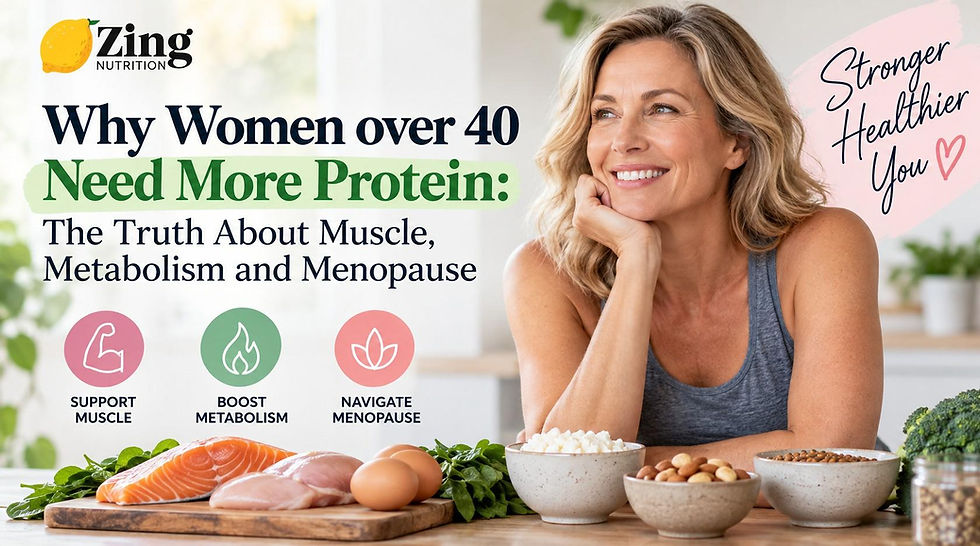
For decades, the loudest health advice for women has been to eat less and move more. It sounds simple but comes with an unintended consequence, which is the widespread reduction in overall food intake, especially protein. Research shows the average woman is consuming around 40% of her daily protein requirement, which is less than half of what her body actually needs.
Women over 40 need more protein to counteract age-related muscle loss. Adequate protein supports bone health, boosts metabolism, and helps to manage appetite. This is why protein becomes an increasingly important part of a balanced diet. Keep in mind, supporting healthy ageing is not about restrictive diets; it is about giving your body the nutrients it needs to remain energetic, strong, and resilient. In this blog, we will explore why a woman over 40 needs increased protein.
Key Reasons for Increased Protein Needs for Women over 40
Here you go!
Muscle Preservation
At the age of 30, muscle mass begins to decline, and due to lower oestrogen levels, it speeds up during peri-menopause and menopause. Adequate protein intake can stimulate your muscle protein synthesis and also preserve more mass. All of these together support mobility, strength, and metabolic health. A balanced approach towards nutritional therapy and exercise can therefore make a valuable contribution to long-term wellbeing.
Bone Health
As your oestrogen falls, the risk of osteoporosis increases. Protein contributes to maintaining healthy bones, supporting collagen formation, and working alongside nutrients such as calcium and vitamin D. Women experience changes in bone health around menopause as hormone levels shift, making a nutrient-rich diet particularly valuable.
Metabolism Support
Muscles are metabolically active. The more muscle you maintain, the stronger your metabolism will be. As sufficient protein protects your muscles, you can better manage the midlife weight gain that appears suddenly and feels resistant to change.
Appetite Management
Protein can help you feel fuller after meals, which may make it easier to manage snacking and food cravings. Protein sourced at breakfast, lunch, and dinner can create more satisfying meals and support consistent eating habits instead of cycles of restriction and overeating.
Energy and Recovery
Protein is also essential for tissue repair. When it is paired with carbohydrates, healthy fats, fibre, and plenty of fluids, protein-rich meals can contribute to steady nourishment throughout the day. If you pay attention to gut health, it results in comfortable digestion and nutrient absorption.
How to Increase Your Protein Intake
Incorporate Protein at Every Meal: Start by adding eggs, Greek yoghurt, fish, chicken, tofu, tempeh, beans, lentils, and other pulses to every main meal. Combining different sources can also keep meals interesting and varied.
Choose High-Quality Sources: Always focus on clean foods that are minimally processed. Include plant-based options like beans and lentils alongside fibre, fish, eggs, and lean meats as convenient animal-based sources.
Increase Gradually: If your current protein intake is low, make changes gradually. Add yoghurt to breakfast, beans to lunch, and fish or chicken to dinner.
Pair Protein with Strength Training: Protein works particularly well alongside resistance or strength training. This combination maximises your muscle preservation and growth at any age.
With personalised nutritional support, you can make practical changes that fit your life and long-term goals. Zing Nutrition provides personalised support across North Shields, Hexham, Corbridge, Whickham, Blaydon, Hebburn, Washington, as well as other areas across the UK. Feel free to contact us if you want nutrition support tailored to your needs.
FAQs:
Why do women over 40 need more protein?
Women over 40 need more protein to help counteract muscle loss and support strength, metabolism, and healthy ageing.
What are good protein sources for women over 40?
Good options include eggs, Greek yoghurt, fish, chicken, tofu, tempeh, beans, lentils, and other pulses.
Can protein intake support healthy weight management after 40?
Yes, protein supports muscle preservation and fullness, which can help manage appetite and support healthier weight management.


Comments